- Les Adore Community
- Posts
- Slice Of Life Community
Slice Of Life Community
Your personal and exclusive serving of Culture, Community, and Lifestyle.

Amina Salahou
November 28, 2025
In partnership with

Editor in Chief: Cynthia Medina
By Kennedy Chambers
Ariana Grande Covers Interview Mag
Ariana Grande is an absolute vision on her latest Interview magazine cover, and the accompanying interview is a must-read. Interviewed by the one and only Nicole Kidman, the pair talk fame, astrology and the feeling of being “so carbonated by gratitude.”
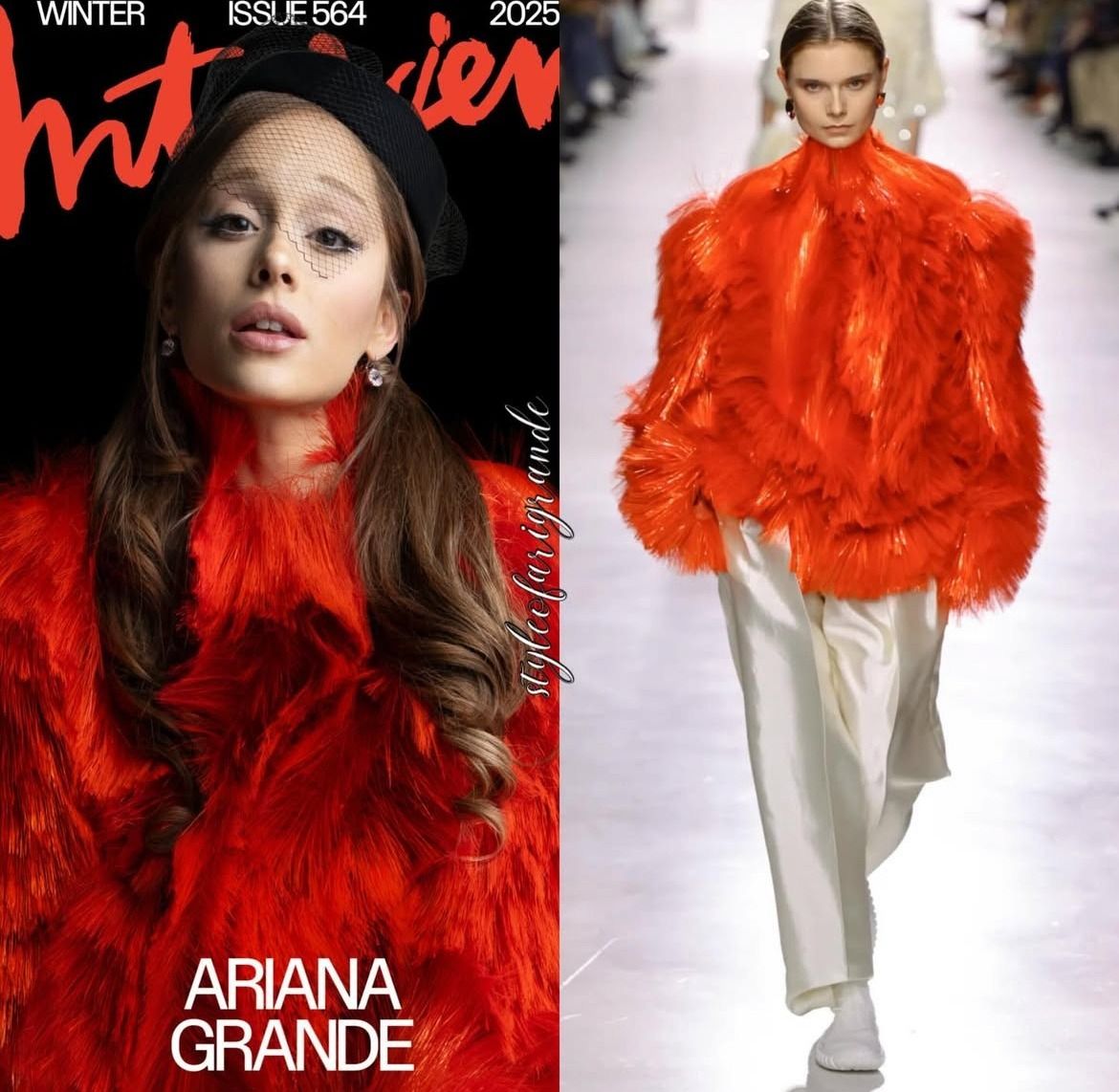
Ariana Grande Wearing a top from the @NewBottega "Spring 2026 Ready-to-Wear Collection" ($N/A), @GigiBurris "Lorna Cocktail Cap with Veiling" ($450), & the @SWAROVSKI "Millenia Drop Earrings" ($139).
In this issue, our pop princess explains, “I think that gratitude and nervousness are both very carbonating, and as artists we have to balance those things. They’re both great fuel and wonderful energy to keep us going… I’ve just been taking baby steps towards healing my relationship to music and touring, and I think my time with Glinda and with acting really helped[...] but I can’t express how grateful I am I think it just held some traumas for me before, and I feel those dissipating, and that is such an extraordinarily beautiful thing.”
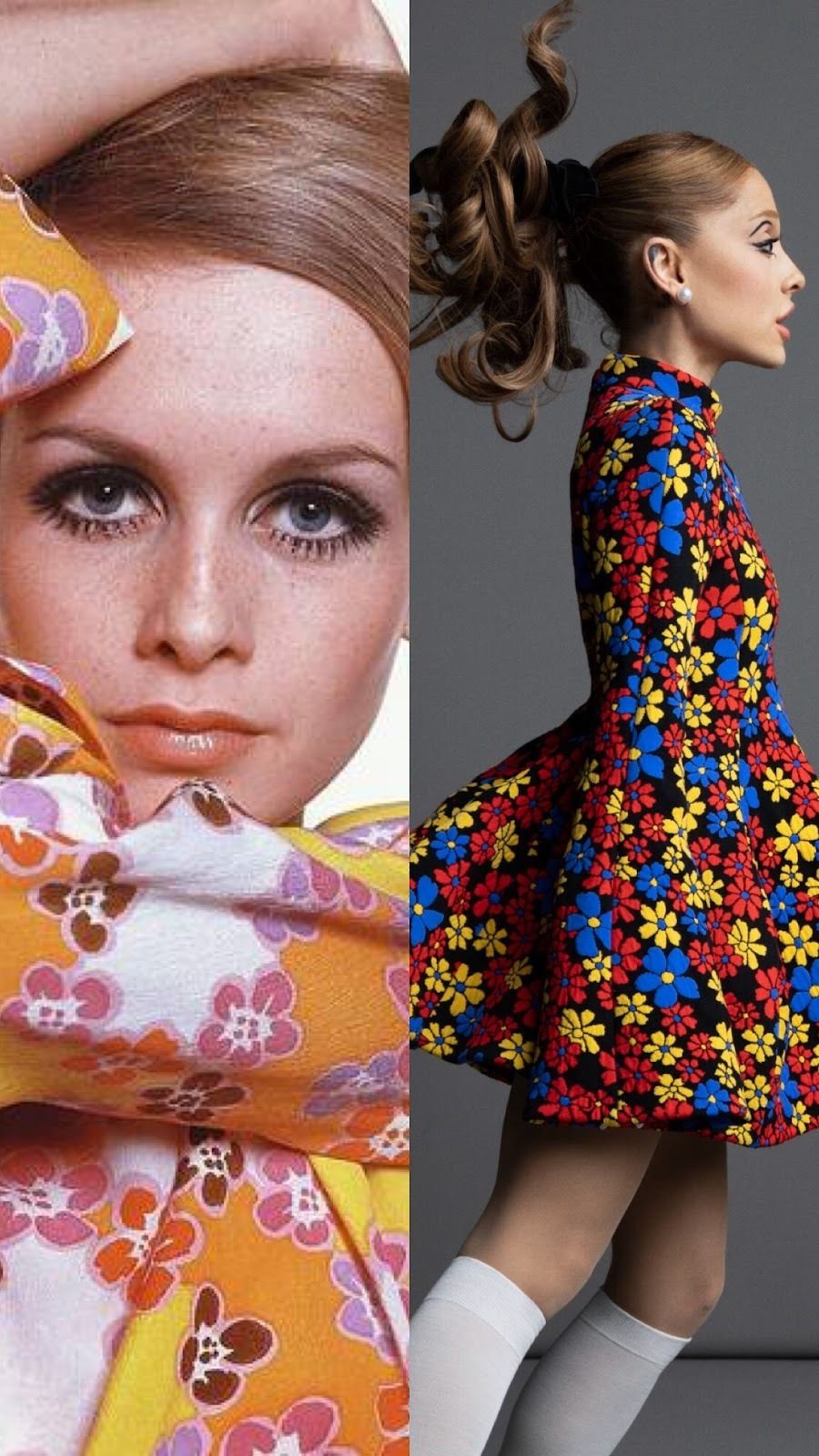
The editorial itself nods to British actress Twiggy, with her iconic flat-profile pose, bright prints, and geometric cuts—all trademarks of the Mod aesthetic. The upright posture, tightly pulled-back hair that mimics a pixie cut, and the other shots with the mini swing dress from Celine all contribute to the homage. Styling by Law Roach, featuring looks from Bottega Veneta, Valentino, Céline and more, proves our good witch is wickedly chic. Click here to see the full editorial and interview!
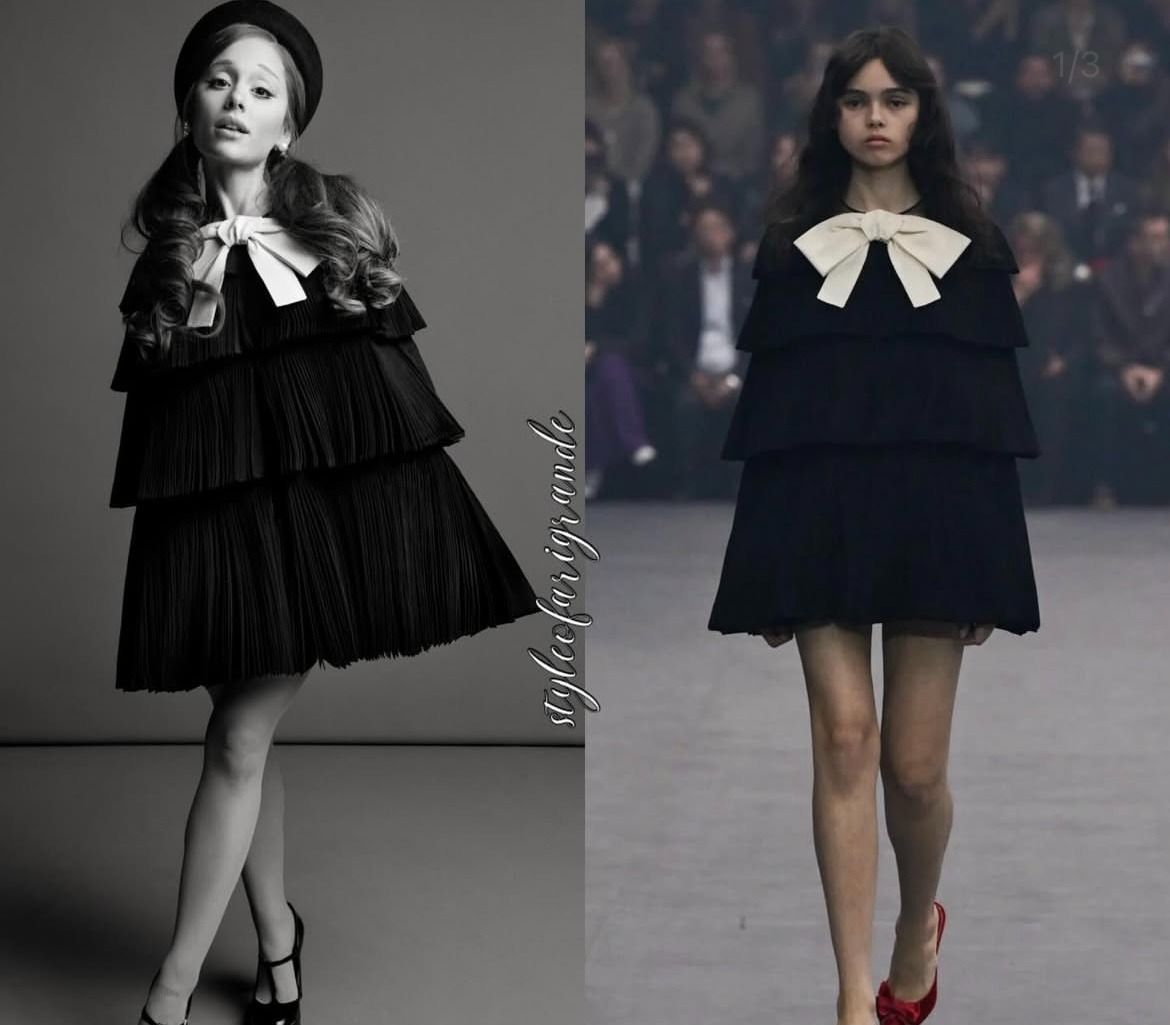
Ariana is Wearing a dress from the @MaisonValentino "Spring 2026 Ready-to-Wear Collection" ($N/A), @JimmyChoo "Marene 120 Leather Mary Jane Pumps" ($1,150), & the @GigiBurris "Laura Wool-Felt Pillbox Hat in Black" ($395).
Party 4 u, party 4 u…part 2🎪
Last week, we went over the evolution of party fashion up to the 18th century. This week, as we approach the holiday season (and therefore party season), let’s continue our series and catch up to the modern day.
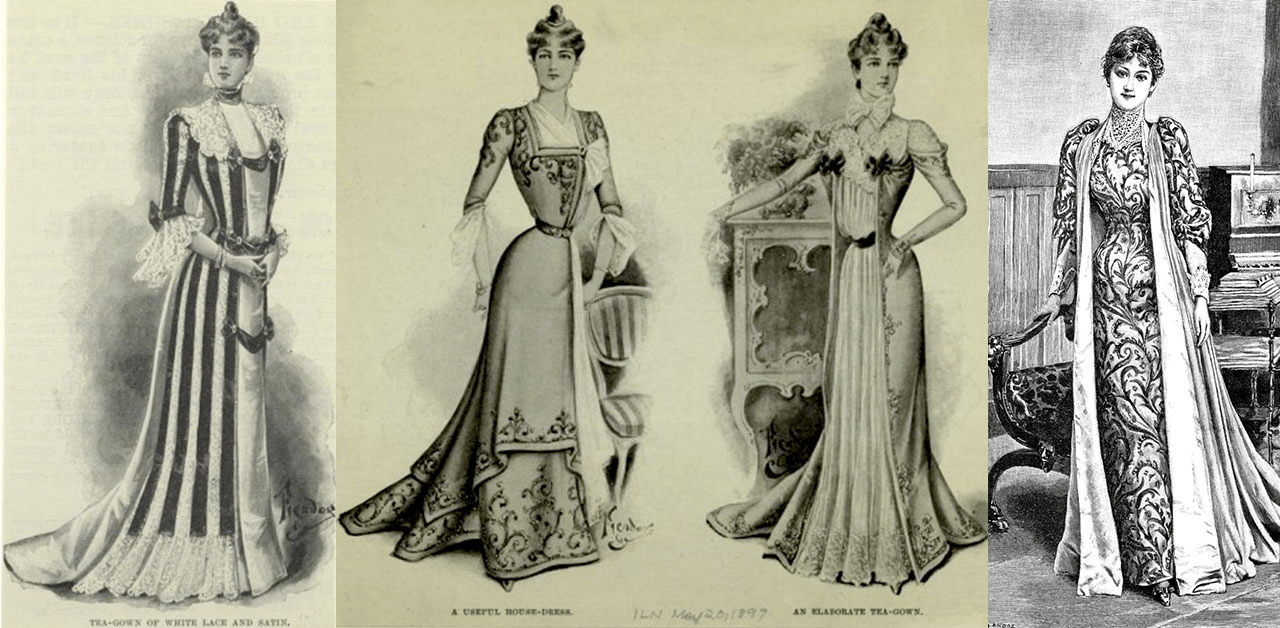
19th Century: The Victorian Era established parties as ulterior motives, often used as displays of exclusivity in this time. Whether for financial, social, romantic, or political gain, parties were extremely curated affairs. Party attendees might have between 4 to 5 changes of clothes each day for a 3-day party. Afternoon teas–the historically canonical brunch–were also common during this time, which introduced the less-formal tea gown. Made out of a lighter silk or chiffon, these gowns offered less restriction on movement.
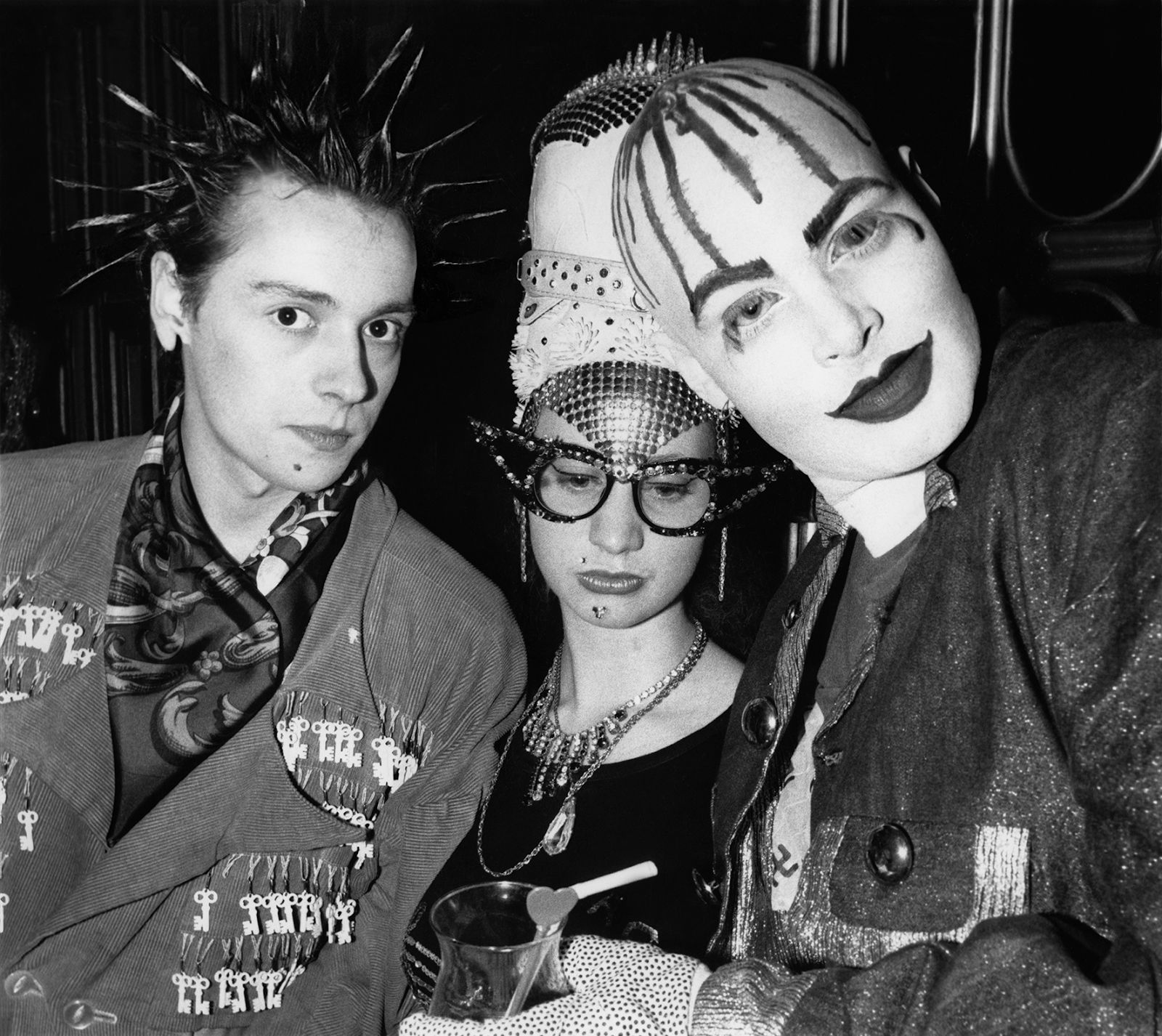
20th Century: Partying became an independent act of younger people in this time period, first emerging as such in the Roaring Twenties, where we saw parties as premiers of the avant-garde, the counter-cultural, and the revolutionary. Fashion was just as variant as the meaning of a “party” in this time period – shorter skirts, hippies, jazz clubs, punk culture, and more.
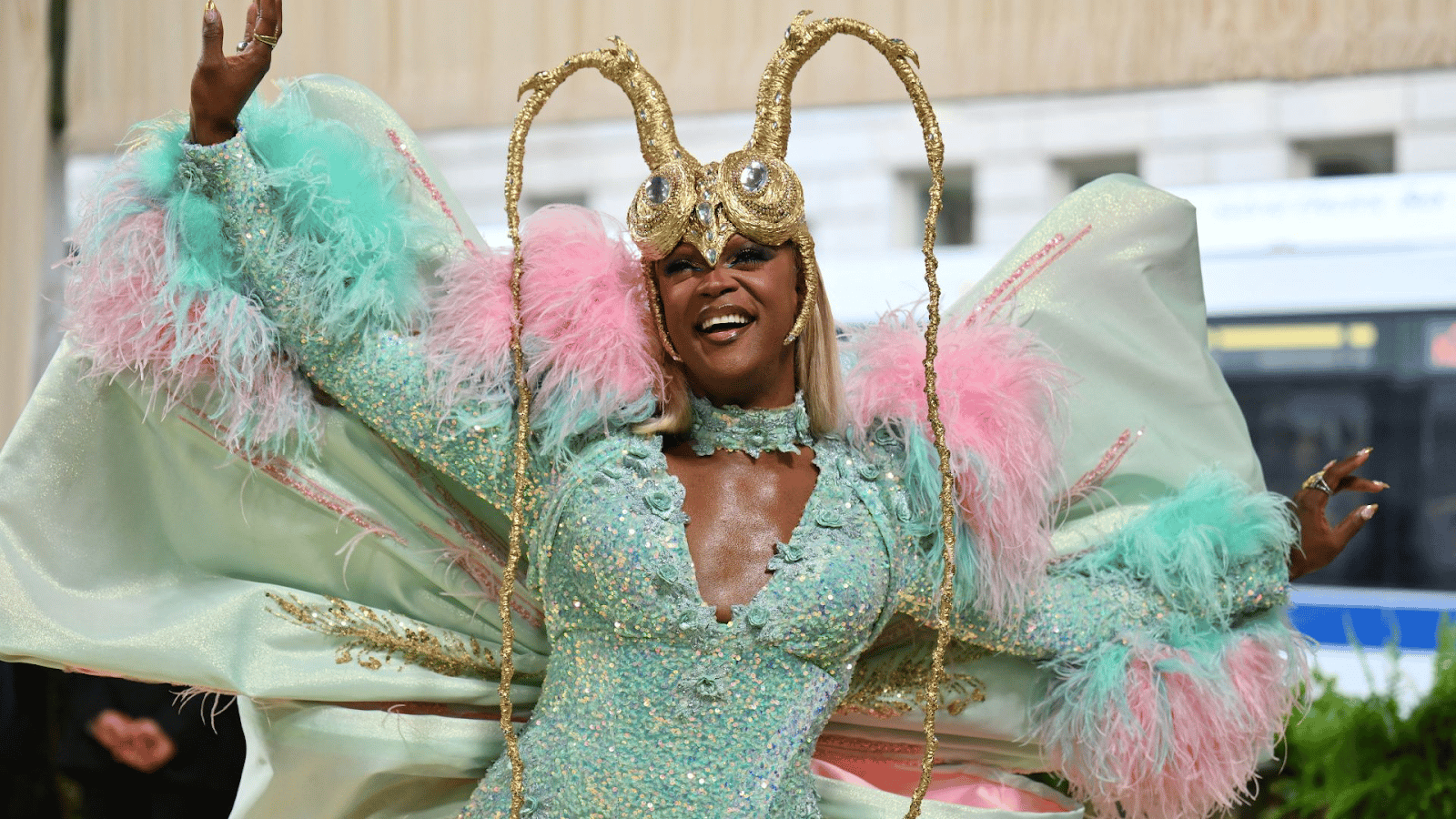
21st Century (we are here): Partying is more accessible than ever before and has evolved into a rebellion, a way to connect, a tool for organizing, a cultural experience, and even a history-defining act. Fashion ranges anywhere from extravagant (Met Gala costumes) to bold (rave outfits). We are now free to express ourselves more than ever before, and this makes partying not just an act of celebration, but of self-expression.
Tartan, Treats, and Holiday Chic🎄
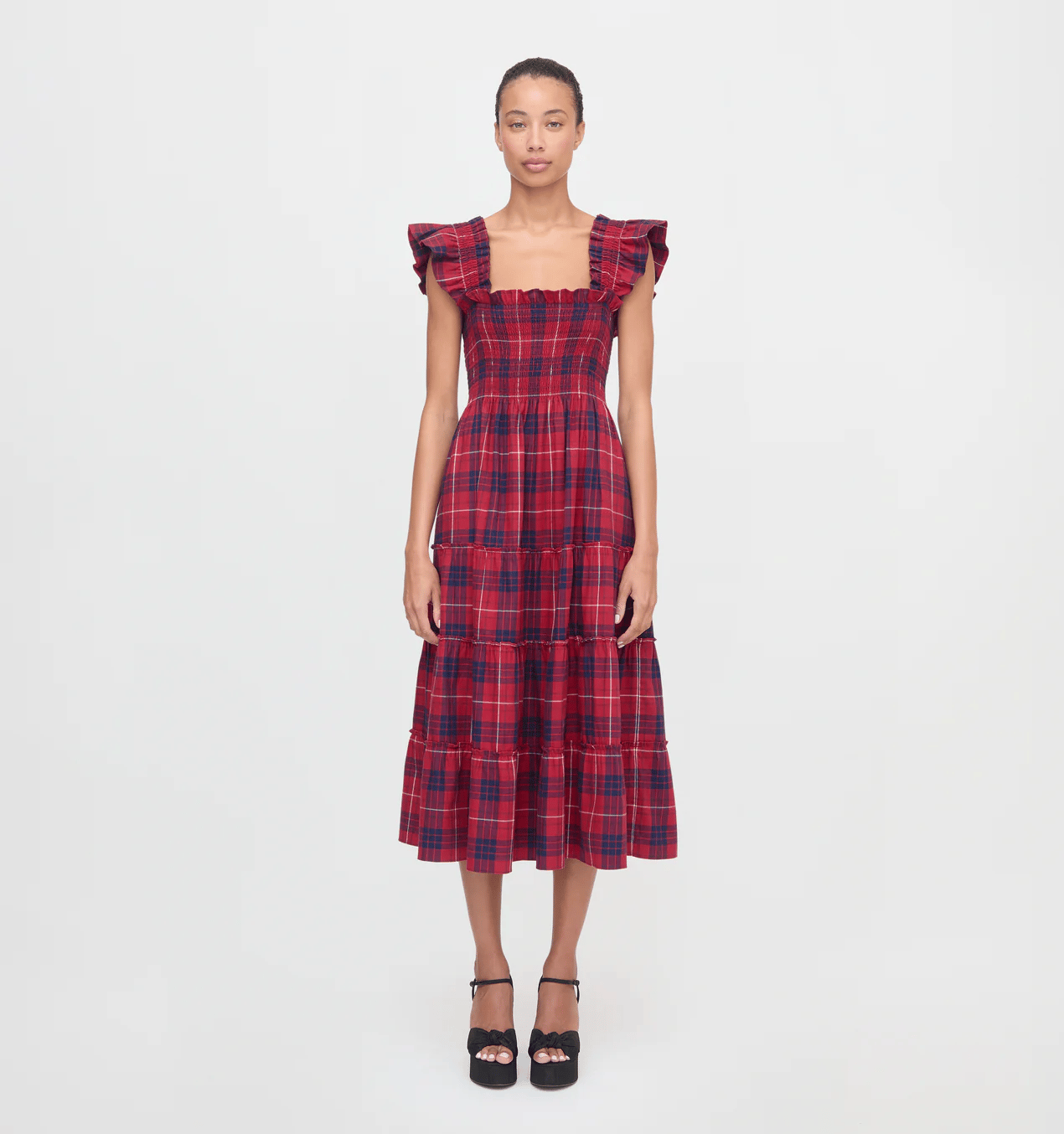
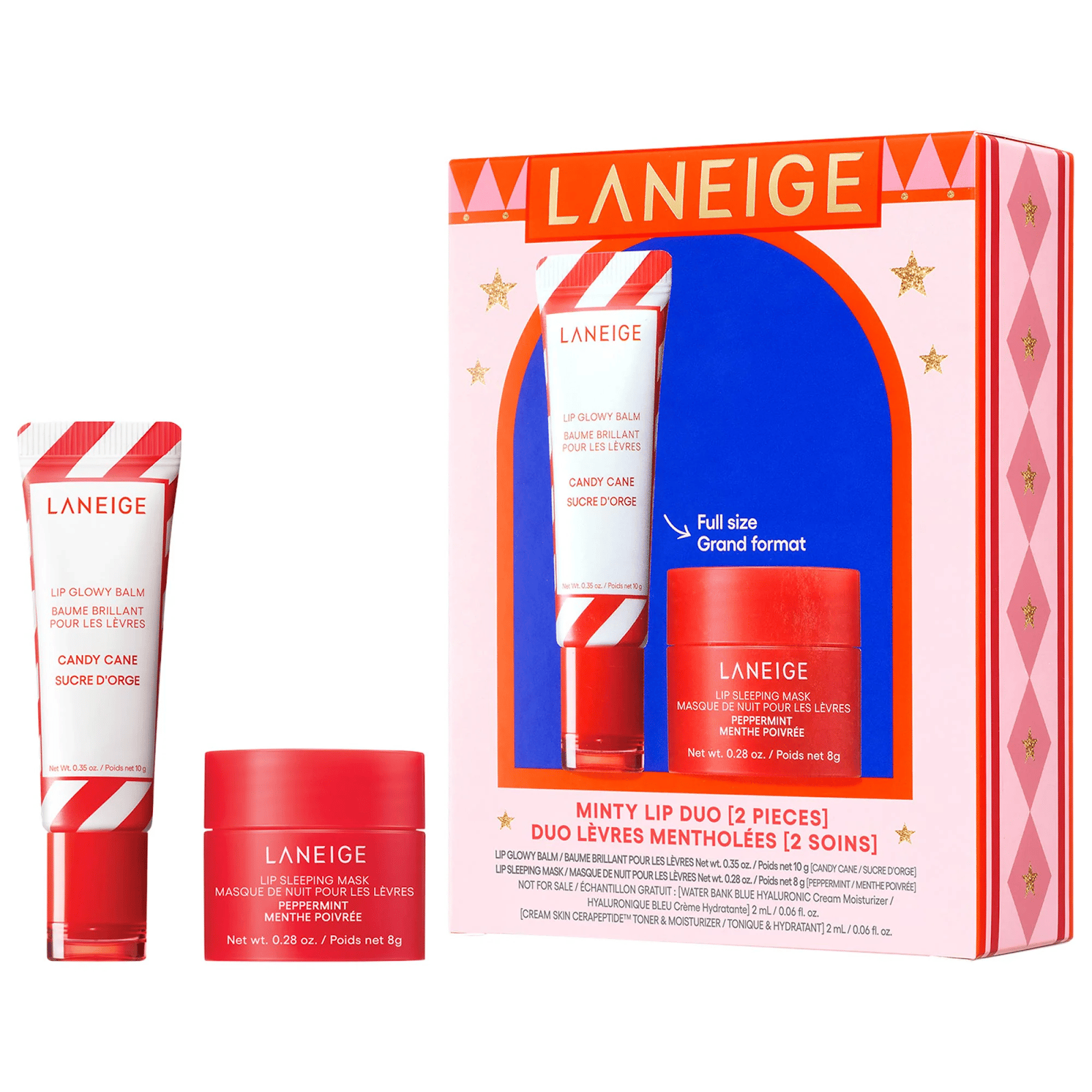
‘Tis the season for themed drops and new trends: we’re back with the in’s of the upcoming holiday season. First up, classic tartan plaid is the aesthetic of the season, thanks to Hill House–grab the Ellie Nap Dress for an elevated look. For makeup, it’s all about Laniege’s Minty Lip Duo and the Glossier Peppermint Bark Balm Dot Com for a fresh new lip.
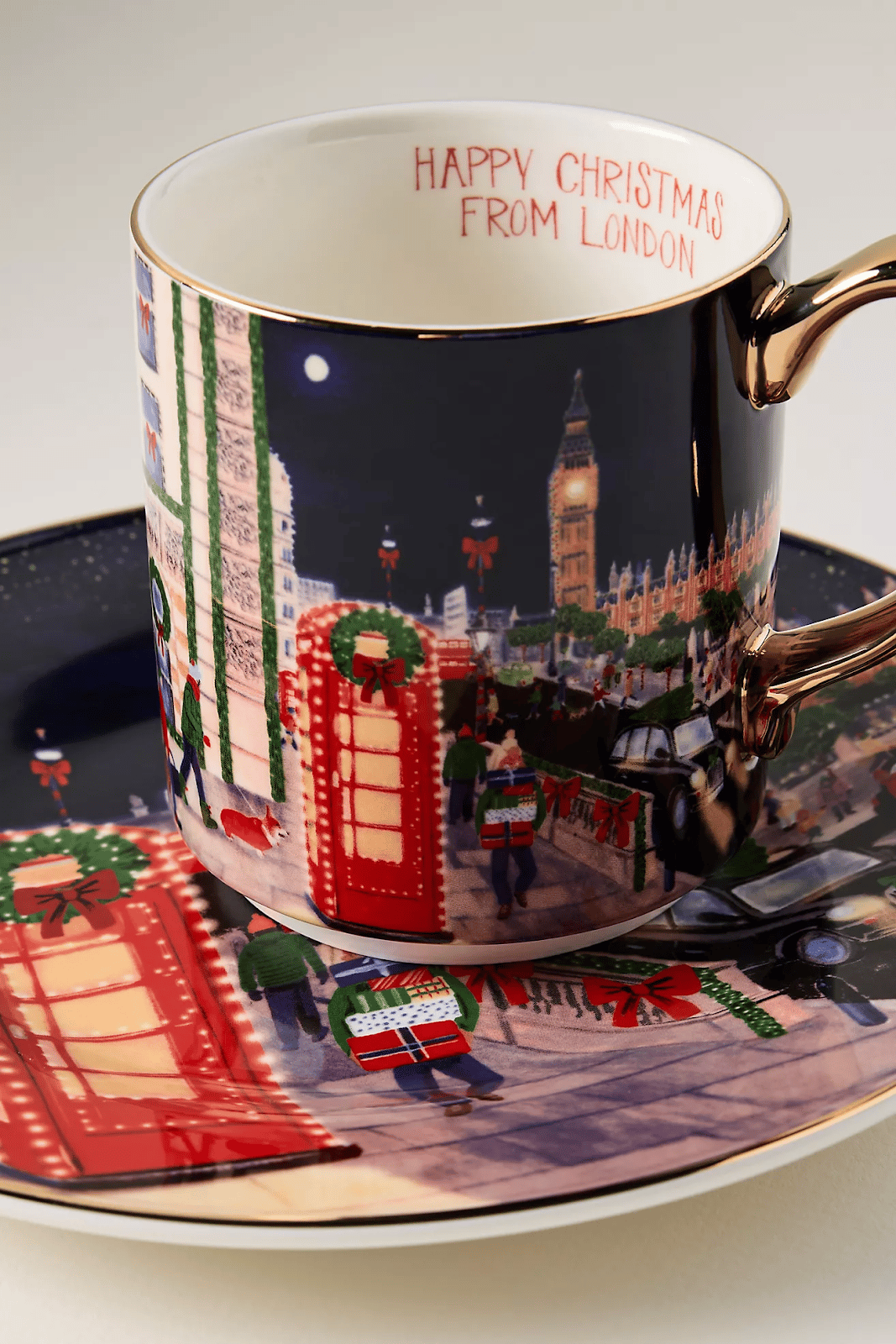
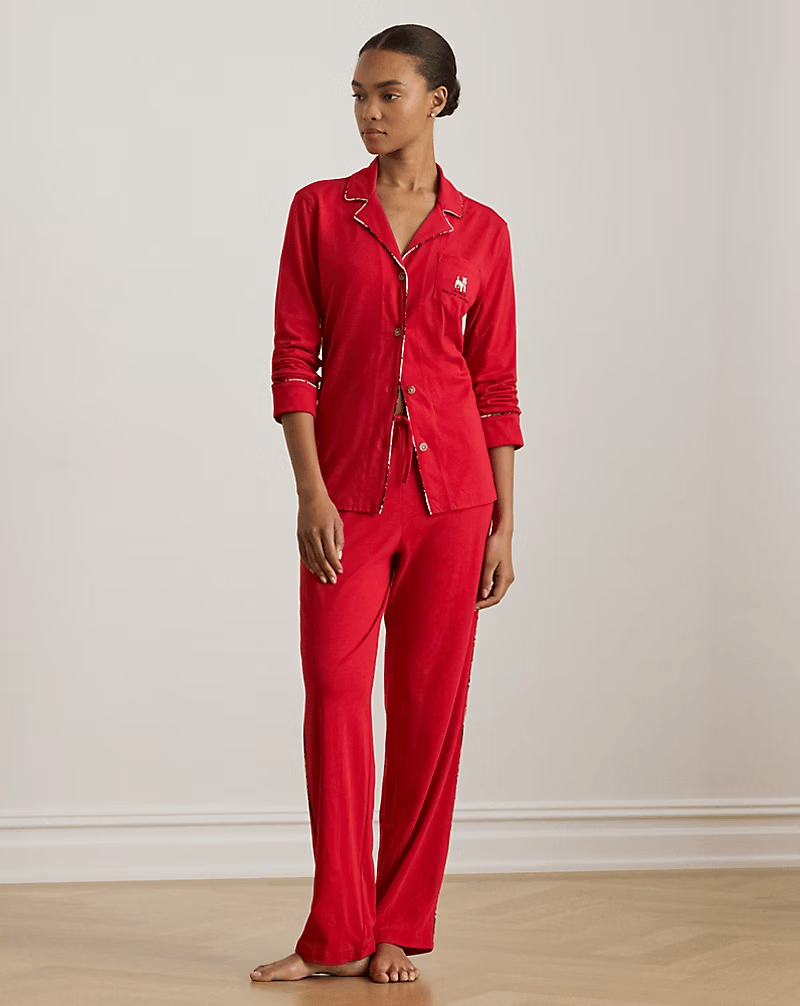
Home décor is going maximalist again! Check out these oh-so-soft pajamas from Ralph Lauren for the perfect nostalgic Ralph Lauren Christmas that’s all the rage online. And for those of us who think a Midwestern Christmas trend is too real, live vicariously through the Anthropologie Holiday In The City mug.
Merry shopping, angels. 🎄💋
Medik8’s 30% off Black Friday Sale!

Black Friday is here, but these deals won’t last long! Shop Medik8 and save 30% off your must-have products*
*Terms & Conditions Apply

By Victoria Gonzalez
In My Boots, All Year Long❄️
I was recently speaking to my friend about a pair of beloved Calvin Klein boots she had to heartbreakingly sell because they didn’t fit anymore, which reminded me of my passion for boots. I love them in all forms, in all seasons. Regardless of the time of year, you will likely find me wearing boots. Summer, winter, spring, and fall, I will be in my faithful brown suede pair.
They are undoubtedly a staple in winter fashion, yet I don’t think they’re talked about enough. Every year, they come back in a different form; they shapeshift into all kinds of niches and aesthetics. Here are some of my favorite styles to incorporate into your winter wardrobe:
Lace-up boots
I will forever regret not purchasing a pair of light brown vintage lace-up boots I found at my local thrift store. Poshmark is my best friend for affordable, vintage finds.
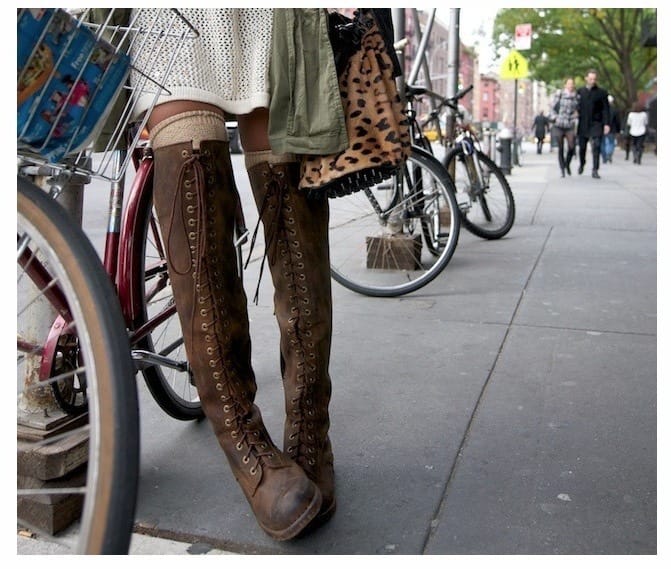
These Paloma Wool ones are going to be the next big thing, trust me.
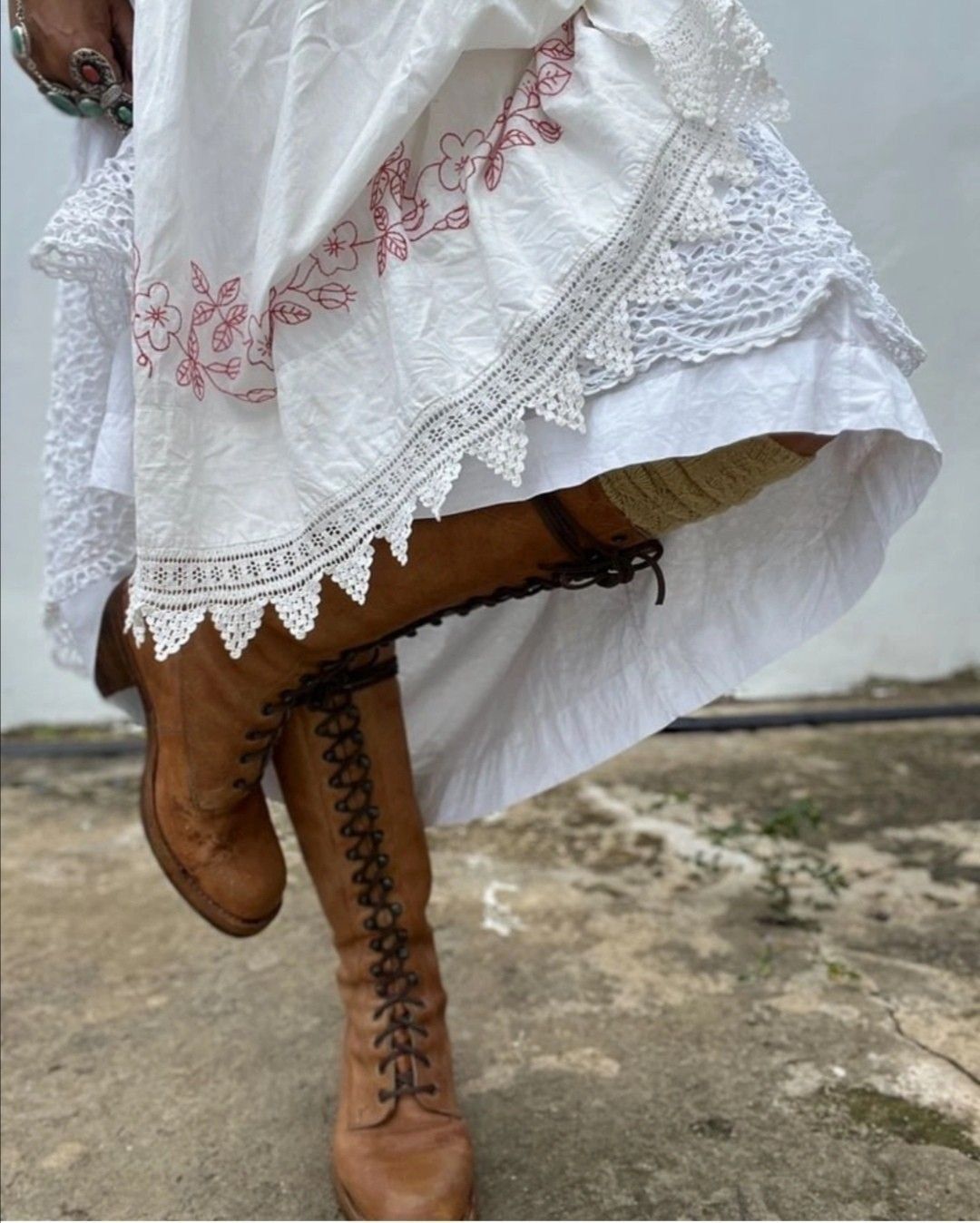
I am absolutely in love with these rain lace up boots you can find on free people.
Fur trim boots
I deeply believe there’s a chic sweet spot in fashion. If you can find the right pair of these, you have reached it.
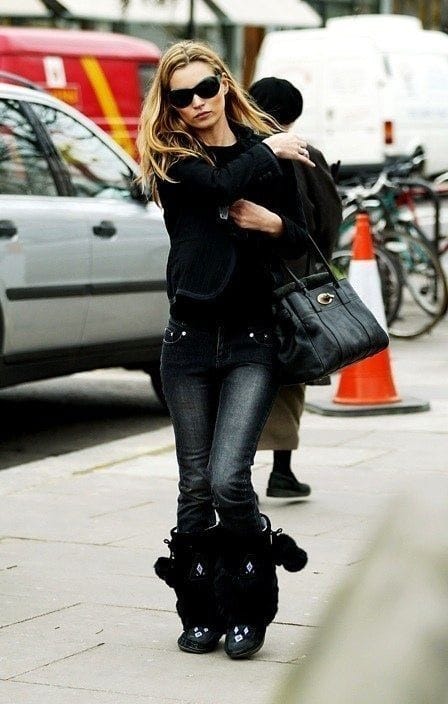
This look reminded me of an affordable pair I saw on depop.
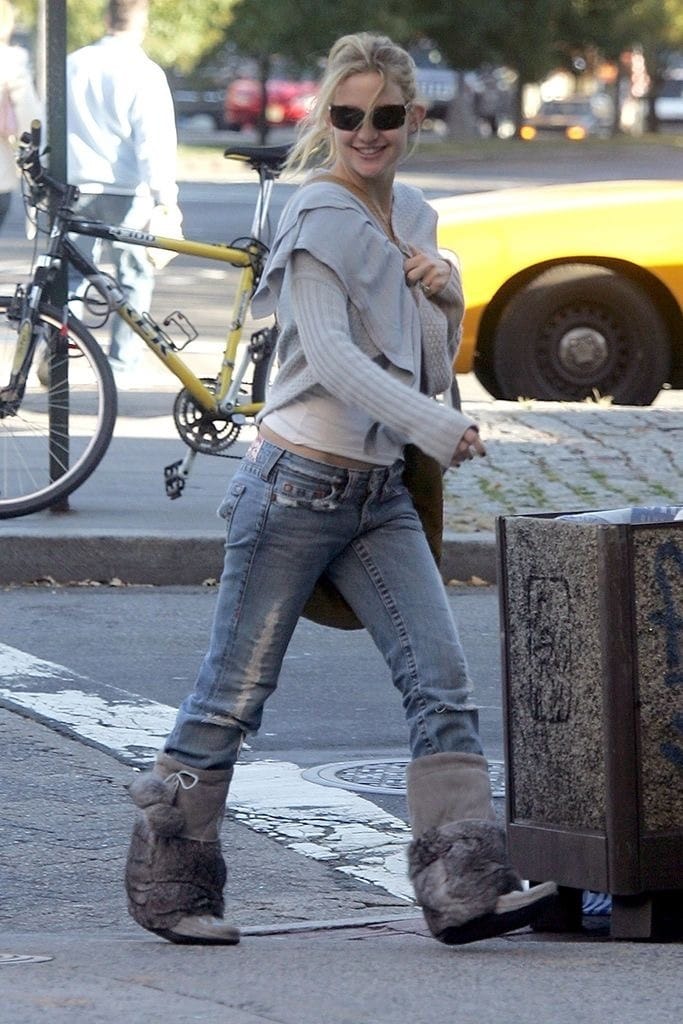
Don't be afraid to try out a heel-and-suede combo–I rarely see anyone wearing these anymore.
AMUSE-BOUCHE APPAREL: FOOD IS THE NEW FASHION🍇
As a basic necessity and a means for survival, food is also an artistic vehicle by which creatives can express themselves – much like fashion. But as we loom closer to Thanksgiving, classic dinner tables filled with turkey and mash potatoes nearly feel like a fashion haul.
Carrie Bradshaw once said “When I first moved to New York, I was so totally broke, sometimes I would buy Vogue. It fed me more.” While this unfortunately reflects the heavily disordered eating habits of the time, it’s become relevant once more. Like the first law of thermodynamics, energy is never created or destroyed, only converted from one form to another. Food is instead visually consumed rather than digested, and the food left uneaten becomes the next “it-girl accessory.”
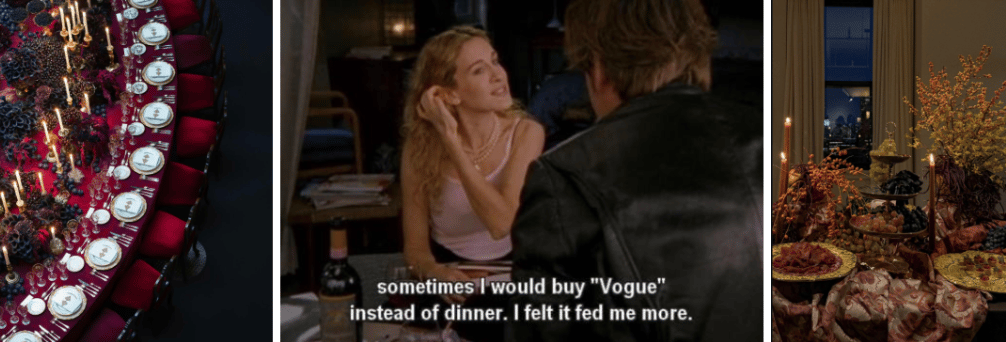
Welcome to the Food Becomes Fashion six-course meal.
Hors d’oeuvres: Veganism is the new trend of 2016, with the movement starting with those in protest to farming practices, especially beef production. Influencers adopt the trend, and this eco-consciousness spreads en masse to purchasing vegan-made garments.
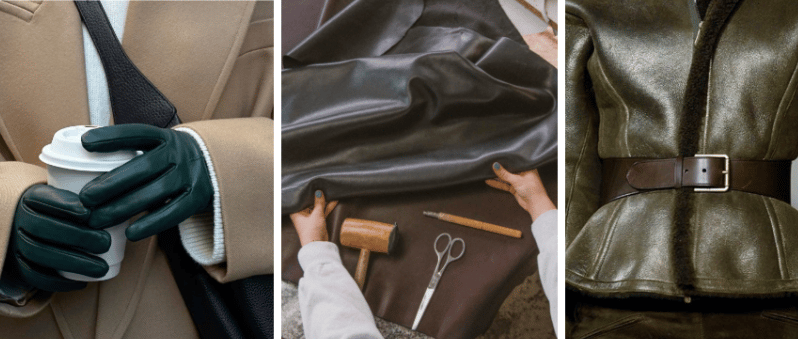
Soup: Strawberry dresses and cow print rise to popularity in 2019, with the pandemic igniting everyone’s inner chef and baker. Cooking influencers rise to popularity, serving audiences digital meals as art for everyone to visually consume.
Appetizer: Milkmaid dresses become popular in 2021, and consumers’ purchasing power lies in conscious consumption. This quickly snowballs into a general aversion of “overprocessed foods,” leading many to prefer purchasing ingredients themselves.
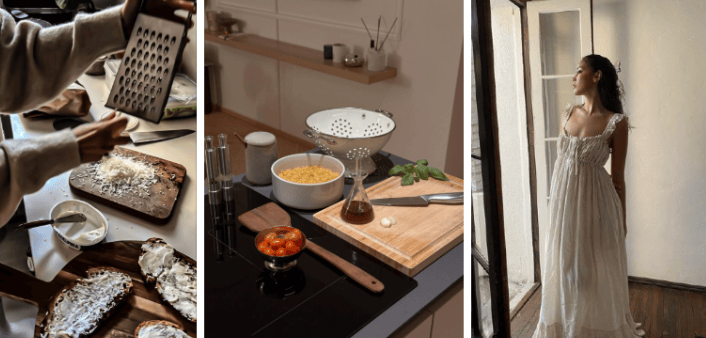
Salad: $12 for a dozen eggs, the farmer’s market aesthetic, and fashionable tote bags. Cherries become an aesthetic most notably with the launch of the Coach cherry bag charm.
Main Course: Let them eat cake! Overconsumption hits Dubai chocolate, Labubus, and Matcha.
Dessert: YSL drops their resortware collection, with campaigns using fruit as confetti and each shoe adorned with a different fruit charm.
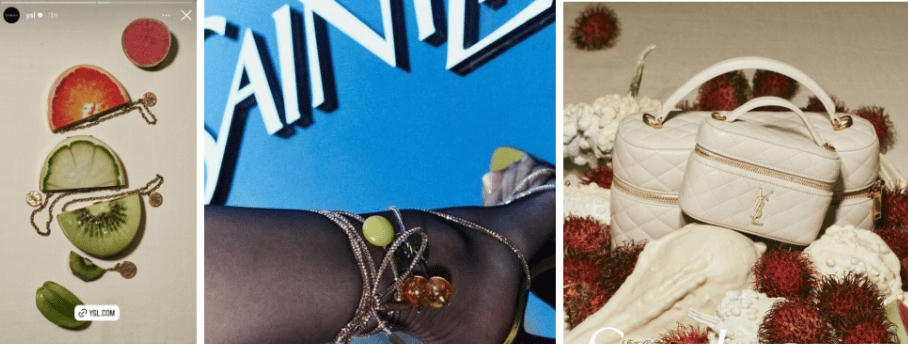
In the end, that’s the arc of this menu: food stops existing only on our plates and starts living on our clothes, our feeds, and our moodboards. Fashion borrows its language from what we eat, turning every course into an aesthetic–and every meal into a dress code.
By Clementine Gnoto
Colors As A Tapestry Of Experiences🌈
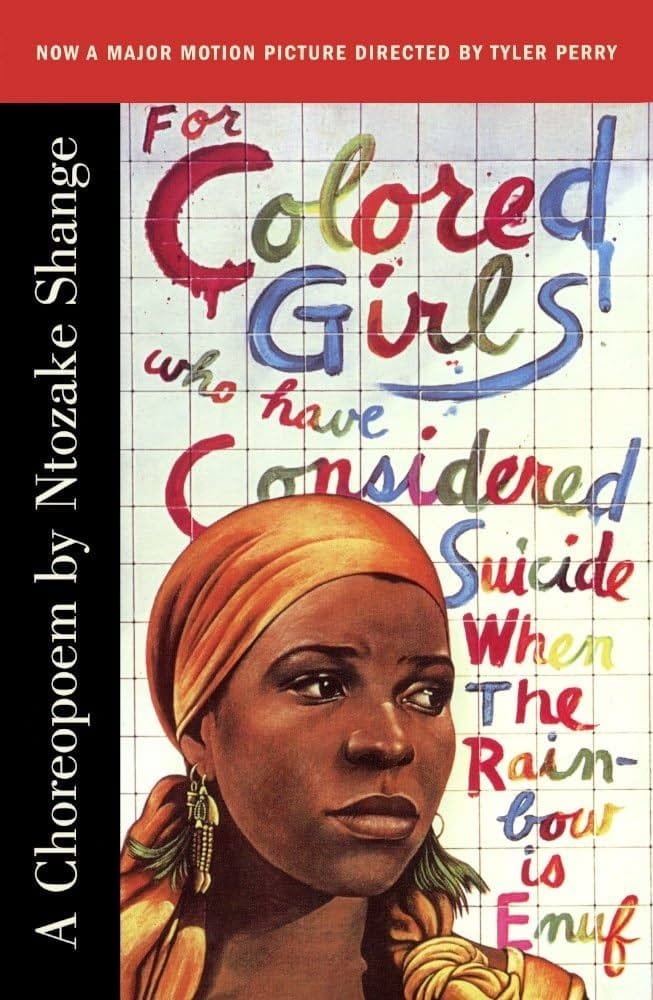
I think we’ve all seen the clip “Oh so you doing the bending”, but do we all know where it’s from? For Colored Girls Who Have Considered Suicide/When the Rainbow is Enuf by Ntozake Shange’s is a groundbreaking piece that is one of the most powerful testimonies to the inner lives of many black women Black women. Though later adapted into a film by Tyler Perry, it still carries the impactful, beautiful, and raw energy that Shange first placed onstage.
The narrative follows seven women, each wrapped in a color, each carrying a story the world often asks them to bear silently. What moves me is how the piece refuses to smooth over the complexities of their experiences. It lets these women be vulnerable, furious, loving, undone, and healing. Their pain isn’t portrayed as a single wound but as a tapestry of traumas shaped by love, loss, violence, and hope.
Whether in a book, on stage, or in Perry’s adaptation, For Colored Girls asks more of us than passive watching. It asks us to witness and sit with the discomfort, the beauty, and the truths too often dismissed. It’s an invitation to look beyond the surface of what Black women endure and to recognize the extraordinary resilience it takes to keep living, loving, and rising in color.

More than Meets the Eye: Character Diversity in Television
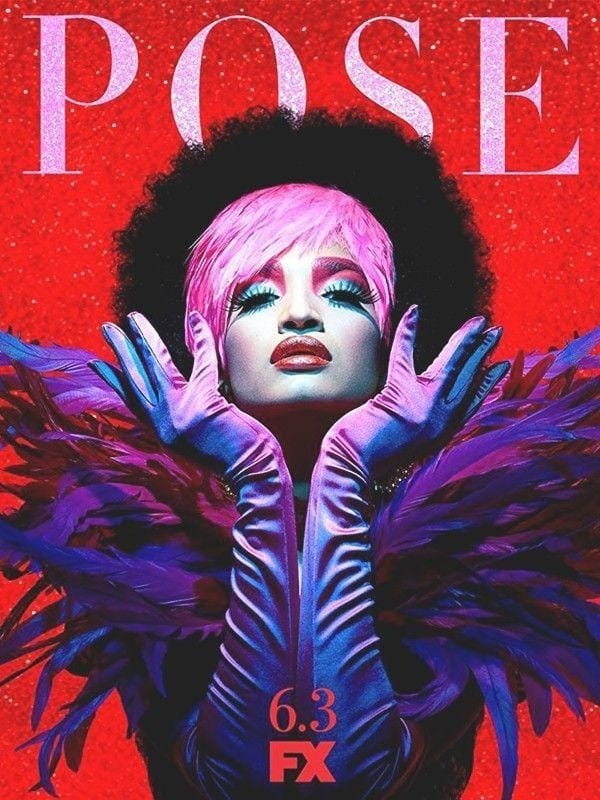
TV shows are becoming increasingly diverse, reflecting a broader range of characters and stories. We’re seeing more representation across race, ethnicity, gender identity, sexual orientation, and disability–offering a view of society that feels closer to real life. Shows like Pose and Black-ish are celebrated for their authentic portrayals of LGBTQ+ characters and minority families, respectively.
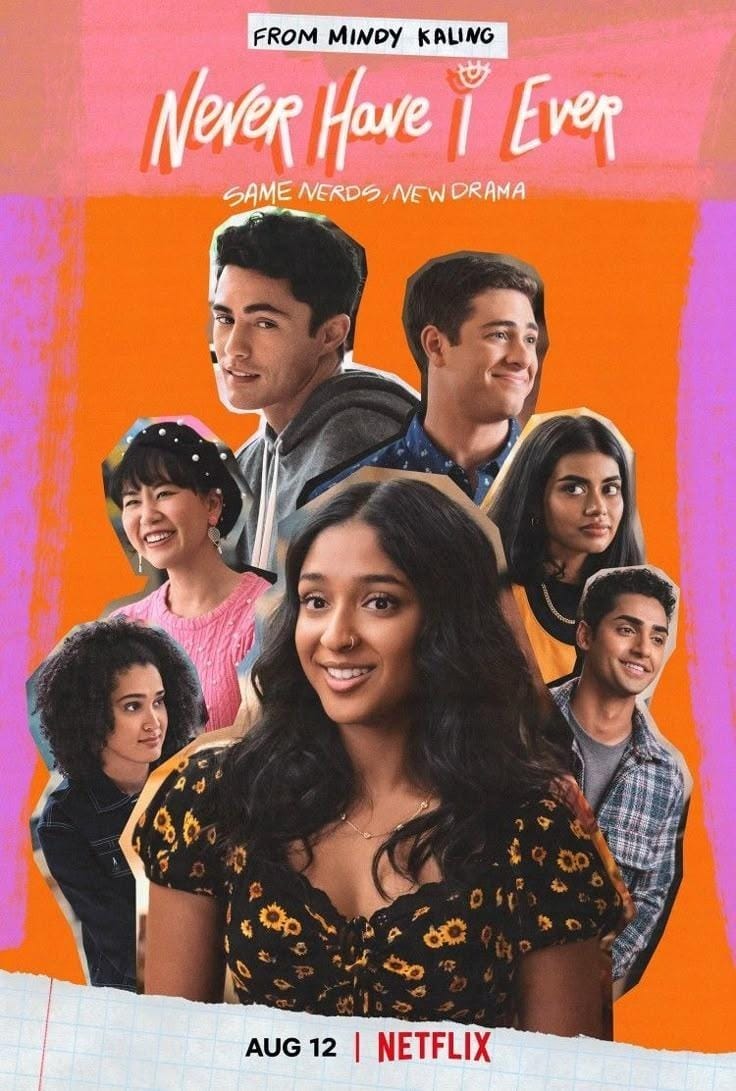
But diversity isn’t just about who gets cast. It’s about creating complex characters whose identities actually shape their storylines, rather than sitting in the background as decoration. Representation matters because it lets viewers see themselves on screen, fosters empathy, and challenges stereotypes instead of reinforcing them. One show that does this incredibly well is Never Have I Ever , as it shines in its nuanced depiction of a South Asian teen navigating culture, grief, and girlhood.
As TV evolves, the demand for authentic storytelling will only grow. By embracing truly diverse characters–and giving them meaningful arcs–shows can entertain, educate, and inspire, leaving a real impact long after the credits roll.
Giving Thanks❤️
Welcome back to The Interlude–otherwise known as Quiet Parts, the Column–with art and poetry pairings for the busy patron.
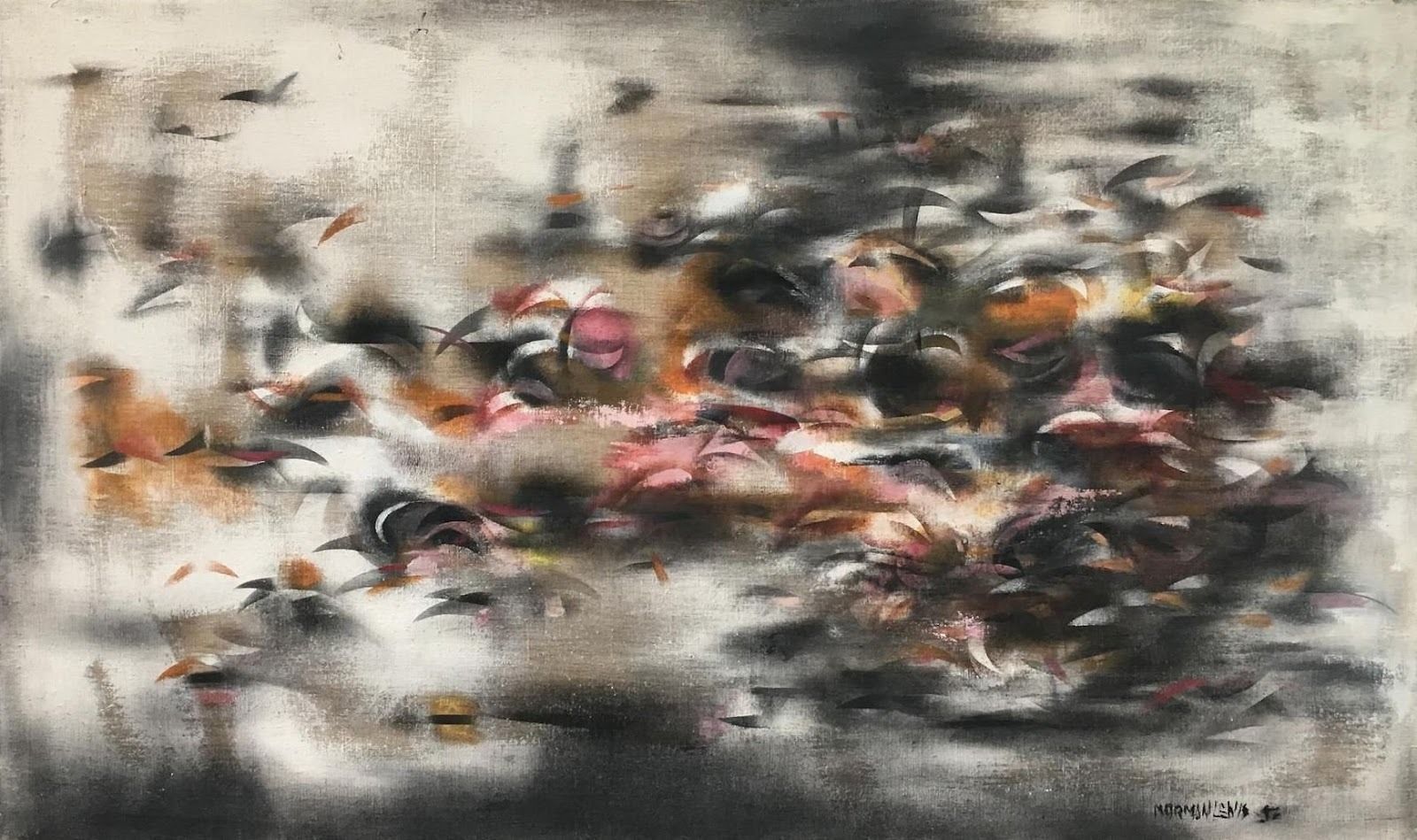
Wishing you the best of times with your family, or sharing a meal with someone you love. In the words of Joy Harjo, “The world begins at a kitchen table.” Let this be a chance to reconnect with your world and its beginning.
In other words–happy Thanksgiving.
