- Les Adore Community
- Posts
- Slice Of Life Community
Slice Of Life Community
Your personal and exclusive serving of Culture, Community, and Lifestyle.

Amina Salahou
February 06, 2026
Editor in Chief: Cynthia Medina
Happy Black History Month😊
Black people and Black culture have shaped fashion, music, technology, and so much more worldwide. This month, we’re spotlighting influential Black figures in fashion and honoring the work that shaped the industry we know and love today.
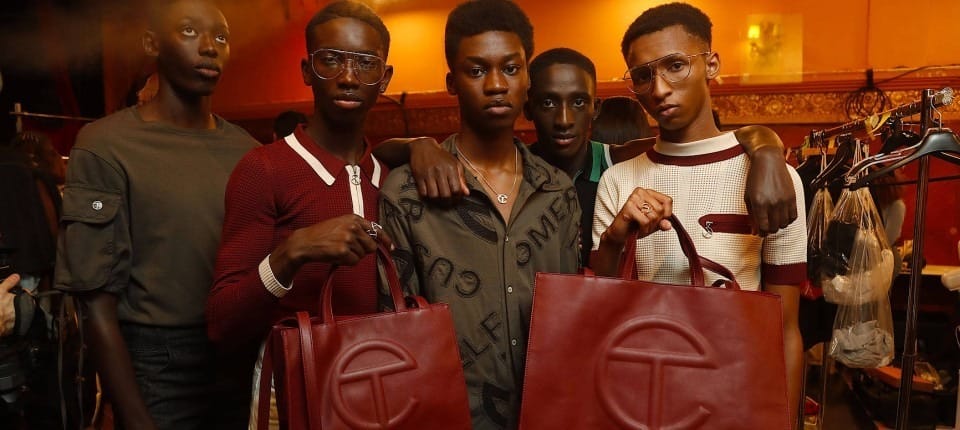
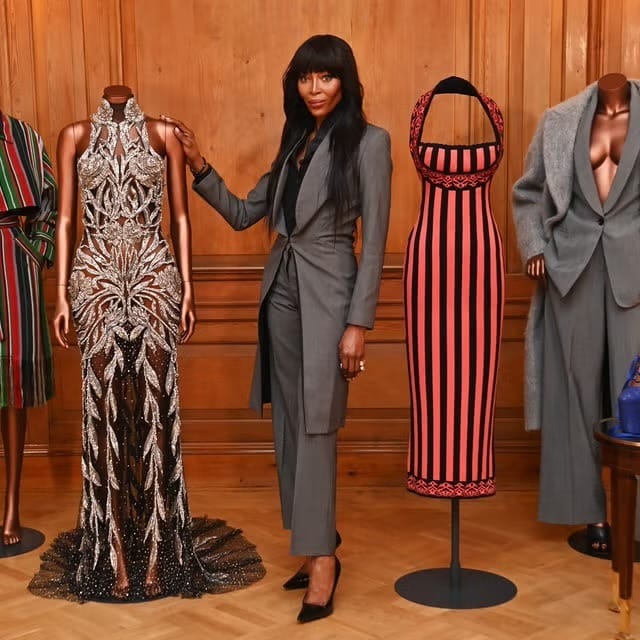
It was difficult for me to narrow down the list of significant people in fashion to include. Although Black people are still extremely underrepresented in the media and fashion, with the representation that does exist, there are so many Black fashion icons, models, and designers to choose from that have made a huge impact. For example: Iman, Naomi Campbell, Rihanna, Zendaya, and Brandon Blackwood, just to name a few.
Because of this, I’ve decided to focus on some historically undercredited Black designers in fashion for this month. To give a small teaser for what’s to come, we’ll look at dressmaker Elizabeth Keckley, designer and haberdasher Dapper Dan, couture dress designer and producer Ann Cole Lowe, and the pioneer of streetwear, Willi Smith.

I’m so excited for this series, and I hope you are too! Stay tuned next week as we kick things off with the first designer–and the legacy they left behind.
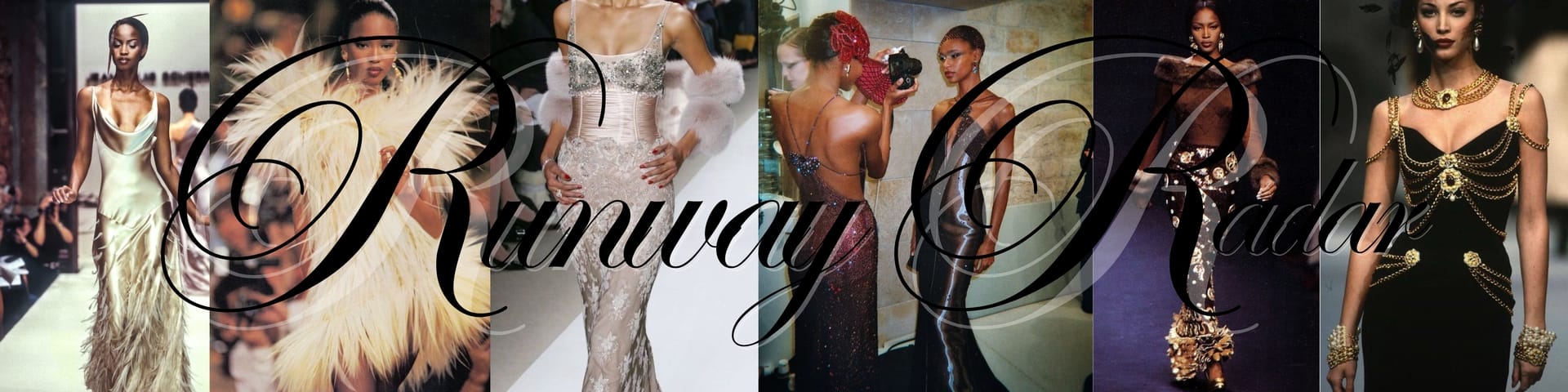
BLACK TO THE FUTURE: AFROMODERNIST CHIC
As we collectively engage with cultural aesthetics and garments across our social channels, I’ve found myself pleasantly surprised by the surge of the “Afro modernism Chic” aesthetic. Often we are not only presented with Eurocentric fashion itself as the status quo, but also as a rebranding of other cultures’ traditional garments, stripped of their historic ties through strategic linguistic colonization. So to be presented with a celebration of Black culture while keeping its autonomy in its name– especially as a reference to our current and future world feels… refreshing.


First coined by Mark Derry in his 1993 essay, Black to the Future, Afrofuturism is described as the "speculative fiction that treats African American themes and addresses African American concerns in the context of the twentieth century technoculture—and, more generally, African American signification that appropriates images of technology and a prosthetically enhanced future." As described by @iamnkirote on Tiktok, “Afromodernist Chic is a term that describes a unique response of Black African people to modernity, globalization, and anti-colonialization; artistic innovation and social justice in the face of history and ongoing oppression. It's a movement reclaiming and redefining modernity, incorporating African traditions, technology, and perspectives rather than simply adopting to western models”. Moreover, Afromodernism or Afrofuturism maintains a loose definition with the resounding optimistic ideal that Black culture is in the current and the future. That Black people are in the future.
The account @theafromodernist by Maurice Koks popularized the Afromodernist Chic aesthetics, and while it has no clear frontrunners for brands or models, it embodies a previously nameless aesthetic with a distinct aura of familiarity. A collection of historical fashion moments all bodied into a collective form: from Black Dandy, the fashion of the Harlem Renaissance, to Jean Michel Basquiat. Afromodernist Chic champions the dichotomy of the diaspora: an intersection between western and African cultures, architecture and fashion, art and engineering.

An aesthetic that embodies the artistic and cultural work and a celebration of the Black experience.
As Danielle Jinadu artfully journaled in an Instagram caption, “I knew that I always felt chic but clearly African also clearly black and therefore always feeling other than from the rigid white spaces that chic required. Black skin, in white boxes often disfiguring itself to fit in.
To me this phrase encapsulates my exact feeling. Chic as a product of the diaspora. With bold jewelry paying homage to the eccentricity and richness of my black African culture. Hair too elaborate and/or big, not always slicked back or tucked into a high collar. This blackness is too vast and proud to fit into the narrowness of an exclusive (dated) sort of chicness.”

Before Yesterday We Could Fly: An Afrofuturist Period Room Now on view at The Met Fifth Avenue in Gallery 508 Free with Museum admission
By Kennedy Chambers
THE SCHIAPARELLI MAN: Bad Bunny Makes History at the 68th Grammy Awards🐰

Last night, Bad Bunny made history at last nights Grammy's as the first Latin artist with a Spanish-language album to win 'Album of the year' in Schiaparelli's first Haute Couture red carpet menswear look imagined by Daniel Roseberry.
The custom suit very much embodied Fat Amy’s famous saying, “Reserved in the front and party in the back” with cartoonish proportions that include a cinched waist, very exaggerated broad shoulders and corsetry in the back. The look itself was inspired by Schiaparelli SS23 womenswear collection and supposedly a play on masculinity and femininity with its unique silhouette.

In my opinion, it’s remarkable how Daniel Roseberry pulled Schiaparelli back into the cultural conversation. What was once a niche fashion house is now instantly recognizable to the masses. I mean even the last three album of the year winners (Beyoncé, Taylor Swift, Bad Bunny) chose the brand for music's biggest night!

So while Benito’s custom Schiaparelli ensemble made the short list for best dressed, we have to mention his speech while accepting best música urbana album to protest ICE too. “ICE OUT… “We’re not savage, we’re not animals, we’re not aliens,” he said. “We are humans and we are Americans.” “The only thing that is more powerful than hate is love,” he said. “So, please, we need to be different. If we fight, we have to do it with love.”

Hot, talented, and outspoken about human rights. We love to see it! For more resources and information about ICE OUT, migrants rights and more click here!

A HAUNTINGLY ROMANTIC V-DAY 💌
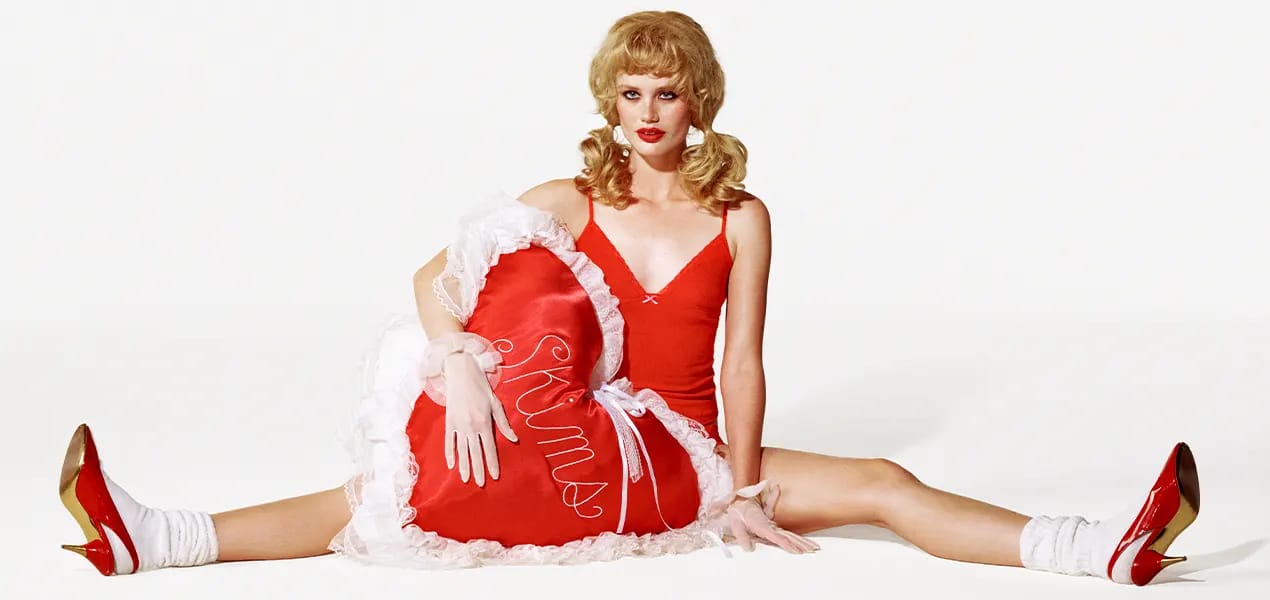
Valentine’s Day isn’t just for the lovebirds: this year, new drops (from hoodies to romance films) give us singles a day full of love, too.
For the hopeless romantics–or the Heathcliffs of the world– build a moody treaty-yo-self date night with the Wuthering Heights movie & soundtrack while stuffing your face with movie theater popcorn and overpriced chocolates. Thank you, Charli XCX!

For the girl who loves dreamy, cozy luxury–snag pieces from the Skims Valentine’s drop and Parke Valentine’s collection (think soft loungewear and heart-detailed pieces that feel effortlessly chic). Pair it with the Dior “Day to Date” makeup set for a touch of glam she can wear from mimosas to martinis.

By Sarah Shrader
Fact or Fiction?🌲
I’ve been thinking a lot about my future lately (who hasn’t). More specifically, I’ve been reflecting on whether this corporate life is really for me. Part of me wants a cool job at a creative firm, but with so little guidance, a career where I actually feel fulfilled is starting to feel like a long shot.
There’s this adventure itch that keeps getting harder not to scratch. The bigger half of me wants to run out into the world–bartend at a bodega near the beach, give boat tours, or become a nature guide in some remote corner of the world. It feels like these are things I need to do now. Yet at the same time, getting the perfect internship, a return offer, and stability feels like it has to happen immediately, or that door will close forever.
Maybe that’s what’s holding me back: safety. Though then I think, in today’s job market, there’s literally nothing safe about that anyway. And my knees and mobility are on borrowed time. Anyway, that’s my food for thought right now.

SAPPHO🪽
Overly emotional, sensitive, nostalgic. I’ve always felt like the tender side of the peach, soft to the touch, too fragile to function like a normal human. Often, the only remedy for my profound wounds is poetry. In the poetic mind lament is not suffering, its beauty. And I have learned from Sappho that in that place, there is power.
Sappho, the first female rhetorician recorded in history, lived and breathed from the essence of the women around her. Because her object of affection was other women, her words have been controversial, and enlightening for all kinds of people. She was an inspiration to many, including Plato who called her “the tenth muse.” But she wasn’t only a muse or a romantic wordsmith, she revolutionized thought through her deeply sensitive way of being.

Her creative space was a fellowship of women, allowing her to connect to the deeply emotional part of her soul. In turn, her emotions gave her an open door to shift society’s male gaze towards the female mind. Her poetry proposed a dignifying picture of a desirable woman. Her ceremonial affirmations of love for women are intellectual as they are emotional. I would argue that without her sensitive spirit and the presence of sensitive women around her, she would not have earned her place in history.

Beneath the Lights With My Mother⭐
The Eiffel Tower is one of those places you think you already understand before you ever see it. It’s been photographed endlessly, flattened into a symbol, made familiar long before you arrive. Standing beneath it with my mother–who came to visit me for a week during my study abroad–felt less like an icon and more like something quietly earned.
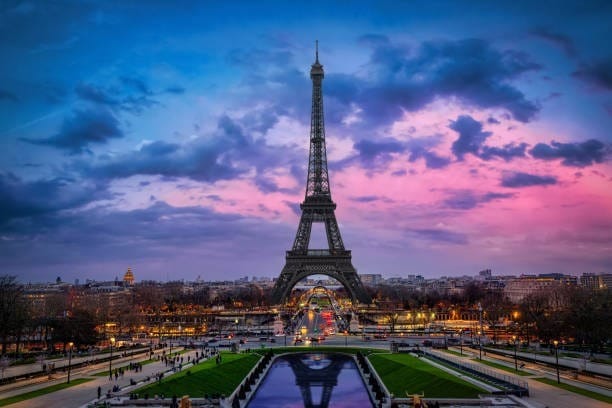
I’ve seen it before on a trip with friends, but it felt different this time. The structure is massive, detailed, and old in a way that commands respect. What made the moment surreal wasn’t just being there, but who I was there with. Before immigrating to America, France was my mother’s biggest dream. She wanted to study here, to live here, to build something in a place she had only imagined from afar. Life redirected her. Now, years later, I’m the one studying here–and for one week, she stepped into a version of the dream she never got to live out herself.
There was something intentional about choosing the Eiffel Tower during her visit. With only a week together, every place felt deliberate. When the tower lit up, people around us stopped without prompting. Conversations faded. Faces lifted. The lights reflected across shoulders and cheeks, creating a shared pause among strangers. Like anything beautiful, the initial awe softened after a few minutes. You get used to it. The tower doesn’t stop being impressive, but it becomes steady–almost familiar.
Standing there with my mother, knowing this place once existed only as an unrealized plan in her life, felt like something had already completed itself. That night, the Eiffel Tower wasn’t about spectacle or symbolism. It was about time–how quickly it passes, how selectively it gives, and how sometimes it lets you stand inside a moment that feels unexpectedly full circle.
See you next week!
